
Laboratory Table
One of the basic furniture found in every research, educational, and healthcare institution is a laboratory table. It is the work area most often used for experimentation, testing, and research analysis. Due to the particular situation in which laboratories are positioned, further design features are provided on a laboratory table to enhance safety and bring out functionality.
Key Features of a Laboratory Table
Enduring Substance: The construction of laboratory tables is often of the finest quality that can withstand abrasion from chemicals, heat, and moisture. Some materials include: stainless steel, epoxy resin, and phenolic resin. Such properties enable the table to be durable and secure even to volatile and high-temperature conditions.
Wear Resistance: As chemicals are used extensively in labs, the table surface of the work bench must be able to withstand any chemical spills, stains or even corrosion. Epoxy and phenolic resins find common usage in tabletops because they are resistant to the effects of acid, solvents and so forth.
Height Variability: A good number of the contemporary working laboratory tables come with height adjustable features in order to satisfy as many users as possible. When a technician is squatting or standing, the table height can be altered for maximum ergonomic enjoyment and strain reduction during long working hours.
Furnishing: Several of the laboratory tables possess extra shelves, drawers or cabinets built into them so that all the clutter is not comprised of tools and equipment only. It helps in avoiding an unnecessary amount of clutter as these tools, equipment, and materials when needed are so organized such that they are not too far.
Mobility: Some of the lab tables have wheels or casters which allow repositioning and restacking of these tables within the lab. Flexibility is of immense importance when working in such minimally structured spaces or when a piece of certain equipment has to be moved.
Mobility: Some of the lab tables have wheels or casters which allow repositioning and restacking of these tables within the lab. Flexibility is of immense importance when working in such minimally structured spaces or when a piece of certain equipment has to be moved.
Importance of Laboratory Tables to the Optimization of Work Efficiency
The tabletop design stage takes into consideration not only comfort and aesthetic qualities but also functional aspects that will help to improve the efficiency of the working environment within the laboratory, safety, and comfort as well. Headlessly without this, scientists, researchers, and engineers do not have to fret over the safety of their work and material or facilities because safe, sustainable, and orderly environment are guaranteed. In addition, chemical resistant and ergonomic stands for improvement have been included to provide added comfort and safety and boost the efficiency of research activities.
Apart from being just a piece of furniture a laboratory table is designed for specific workings. It is important to work with the best Laboratory Table Manufacturer like Microsil India, these tables offer a consistent, safe and practical place for vital work to be done in order for the labs to be maximally productive.
-
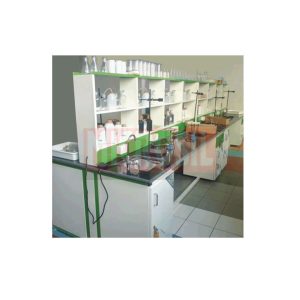 Laboratory Table
Laboratory Table